
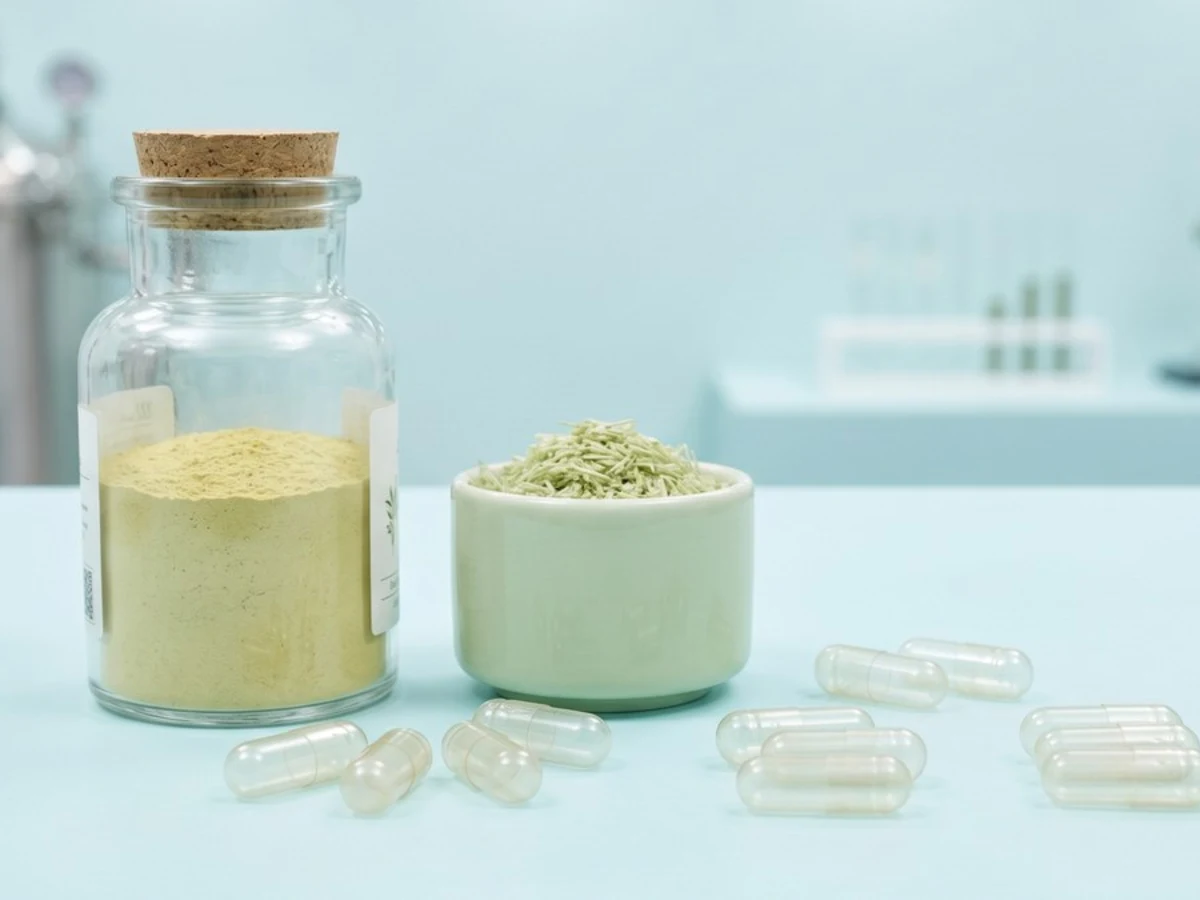
Capsule shells can show two very different problems. Some capsules stick together or feel soft. Others crack easily or break during handling, filling or transport.
These symptoms often point back to moisture balance. Moisture can move among the capsule shell, the fill material, the air inside the package and the outside environment. Material choice, fill behavior, packaging, storage and opened-bag handling all affect how an empty capsule performs. In international sourcing, buyers may also describe these products as hollow capsules or empty hard capsules.
For sourcing and product development teams, the useful question is not to assign blame too quickly. The practical value is to understand which capsule shell fits the fill, what the sample stage should confirm, and what quality documents a supplier can provide.
Why capsule shells become sticky
Sticky capsule shells usually appear as capsules clumping together, soft surfaces, slight deformation or capsules that do not separate cleanly inside a bottle or bag.
This often relates to higher moisture exposure. Humid storage, weakened package sealing, condensation during transport, a fill material with water content or a fill that releases moisture can all raise the moisture level around the shell.
When a capsule shell absorbs too much moisture, the surface can soften. If capsules stay in close contact for a long time, sticking or deformation becomes easier to notice.
For empty capsule sourcing, this matters when the fill is hygroscopic or moisture-sensitive. Botanical powders, traditional herbal powders, mineral salts, probiotics and some supplement blends should be reviewed together with capsule material, packaging and sample storage conditions.
Why capsule shells turn brittle
Brittle capsule shells usually show as cracks under light pressure, edge splits, broken caps or a higher breakage rate after filling or transport.
This often relates to moisture loss, low-humidity exposure, hygroscopic fills or mechanical stress. For empty gelatin capsules, moisture is closely tied to shell flexibility. If the shell loses too much moisture, brittleness risk can rise.
The fill material can also change the shell condition. Some powders may pull moisture from the shell over time. Other fills may introduce moisture and make parts of the shell softer. Looking only at the empty capsule shell can miss what the fill and package are doing.
Sticky capsules and brittle capsules look different, but both symptoms often involve the same underlying issue: moisture is moving.
Fill materials can change the shell condition
An empty capsule is not isolated once the fill is added. The shell and fill share a small internal environment.
Some fills are strongly hygroscopic. They may cake, reduce flowability or pull moisture from the shell. Other fills may carry moisture or release it during storage, which can soften the shell. The package headspace, desiccant and outside humidity also take part in the same moisture balance.
| Fill type | Common moisture concern | Possible capsule-shell observation |
|---|---|---|
| Herbal powders, botanical powders, plant extracts | Moisture uptake, color change, lower flowability | Soft shells, sticking, fill-weight instability |
| Probiotics, enzymes, peptides | Sensitivity to moisture and temperature | Higher demand for packaging protection and shell moisture review |
| Mineral salts, calcium salts, chlorides | Hygroscopicity or deliquescence | Shell moisture loss, brittleness or local softening |
| Oils, semi-solids or special excipients | Compatibility and moisture exchange | Deformation, softening, leakage or stability change |
This is why the same capsule shell may behave differently in different products. Material, size, fill condition and packaging should be reviewed as one project, not as separate choices.
Gelatin and HPMC capsules have different moisture logic
Empty gelatin capsules are widely used in pharmaceutical, health-food and dietary supplement projects. They have mature processing behavior and broad application experience. Moisture management still matters: too much moisture may soften the shell, while too little moisture may increase brittleness risk.
HPMC empty capsules, also known as empty hypromellose capsules, are often reviewed for plant-based positioning or some moisture-sensitive fills. Their material behavior differs from gelatin capsules, so buyers usually review lower moisture contribution, fill compatibility, packaging and storage conditions together.
Pullulan capsules and hydroxypropyl starch capsules may also be considered for specific product positioning, transparency or material-origin needs.
The material decision should be tied to the fill, target fill weight, package format and quality review requirements. A simple material name rarely answers the whole project question.
Packaging and opened-bag handling affect sample results
Packaging directly affects the moisture condition around the capsule shell. Bottles, blisters, aluminum bags, composite films, desiccants, seals and outer cartons can all change how much moisture reaches the capsule.
Desiccants should be matched to the product. They can help reduce package humidity for moisture-sensitive fills. In some situations, excessive drying may also increase shell moisture loss, especially when capsule material, headspace, desiccant amount and opened-use cycle are not reviewed together.
Opened-bag handling also matters. The time after opening, room temperature and humidity, and how remaining capsules are resealed can affect later sample behavior. Finished bottles that are opened repeatedly can also experience humidity changes inside the package.
For a related sourcing article, see empty capsule storage conditions, humidity and packaging management.
Pharmaceutical projects also need quality documents
For pharmaceutical empty capsule projects, appearance is only one part of supplier review. Buyers often need COA, specifications, batch information, storage conditions, batch traceability, quality documents and China excipient registration information.
StellarCaps empty gelatin capsules have China CDE registration number F20240000553, with associated review completed and China CDE registration status A. StellarCaps HPMC empty capsules have China CDE registration number F20240000554, with associated review completed and China CDE registration status A.
China CDE status A is a China pharmaceutical excipient registration and associated-review status. It should be used as China-specific regulatory registration information. It does not replace sample testing, product suitability review or customer quality qualification.
For quality document review, buyers can also visit StellarCaps quality documents and CDE status information.
How StellarCaps supports moisture-sensitive capsule projects
StellarCaps (Jilin) Co., Ltd. is located in Huinan Economic Development Zone, Tonghua, Jilin Province, China. The company supplies empty capsules for pharmaceutical, health-food, dietary supplement and OEM/ODM customers.
StellarCaps focuses on empty gelatin capsules, HPMC empty capsules, pullulan empty capsules and hydroxypropyl starch empty capsules. The factory covers about 60,000 square meters, with annual capacity up to 20 billion capsules. Common sizes include 00#, 0#, 1#, 2#, 3# and 4#. StellarCaps can support color, printing, sample testing, quality documents, batch traceability and bulk supply planning.
For hygroscopic fills, moisture-sensitive formulas or projects with specific packaging presentation needs, StellarCaps can help review capsule material, size, color, printing, sample needs, quality documents and quotation details based on the fill condition and expected order quantity.
Frequently Asked Questions
What usually causes capsule shells to stick together?
Sticky capsule shells are often associated with high humidity, moisture uptake, condensation, weak package sealing, moisture from the fill material or long exposure after opening. Material, packaging and storage conditions should be reviewed together.
What usually makes empty capsules brittle?
Brittleness can relate to moisture loss, low-humidity storage, hygroscopic fills, transport stress or filling stress. Empty gelatin capsules are more sensitive to moisture balance, so packaging and storage should be considered early.
Are HPMC capsules suitable for moisture-sensitive fills?
HPMC empty capsules are often reviewed for plant-based positioning and some moisture-sensitive fills. Suitability still depends on the fill, target fill weight, package format, stability expectations and sample testing.
What documents can StellarCaps provide?
Depending on product type, batch and project use, StellarCaps can provide samples, specifications, COA, quality documents, batch traceability information and China CDE registration-related information for applicable empty capsule products.
Request samples and quotation
If your project involves sticky capsule shells, brittle empty capsules, hygroscopic fills or storage and packaging concerns, you can contact StellarCaps with the fill type, target capsule size, expected fill weight, packaging format, color or printing needs and estimated order quantity.
StellarCaps can provide empty gelatin capsules, HPMC empty capsules and other capsule materials, with sample testing, quality documents, batch traceability and bulk supply support based on project requirements.