
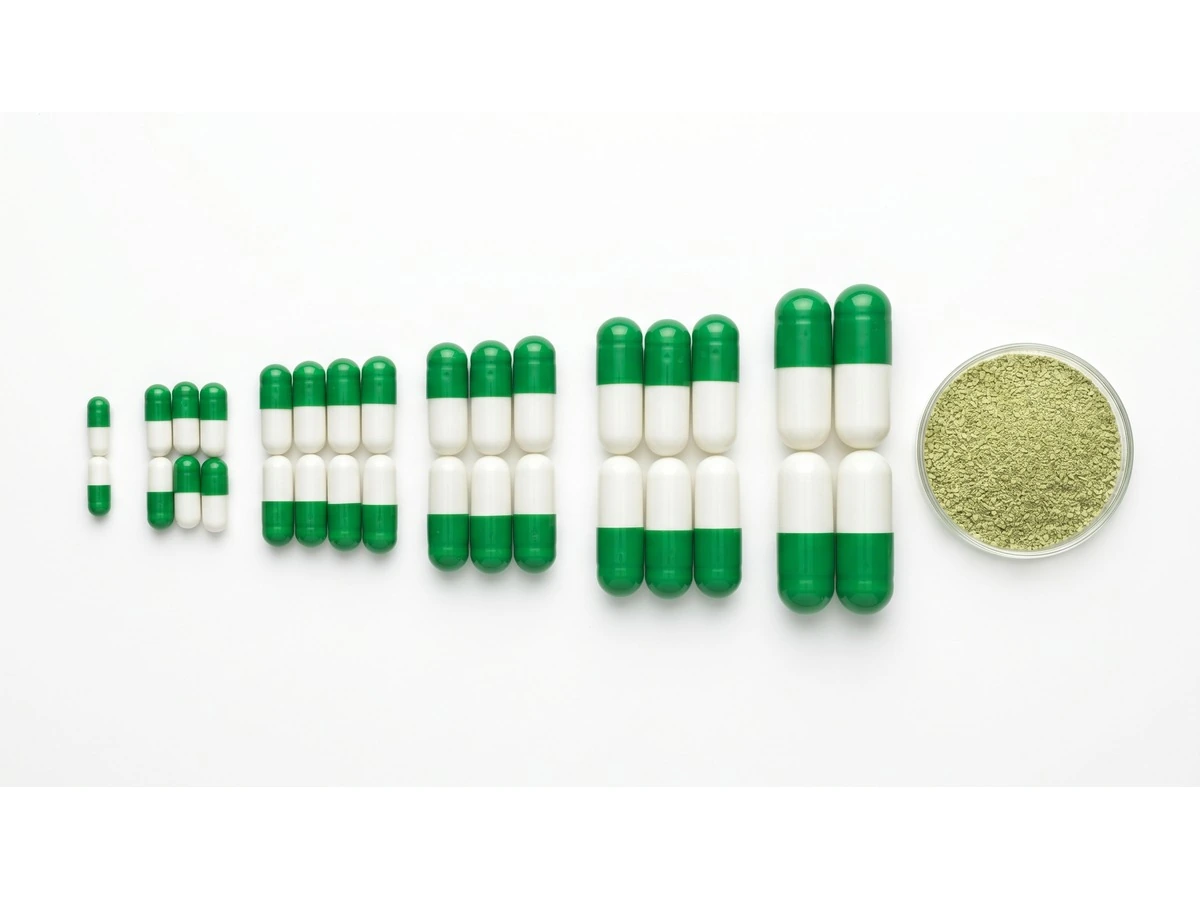
When buyers search for plant-based capsules vs gelatin capsules, they are usually not looking for a textbook definition. They want to know which capsule shell is more suitable for a real project: a supplement formula, a probiotic product, a botanical extract, an OEM/ODM order or a pharmaceutical capsule product under quality review.
The practical answer is not simply “plant-based is better” or “gelatin is better.” The decision usually comes down to five points: material source, shell moisture, fill compatibility, filling-machine performance and quality documentation.
For many standard pharmaceutical, nutraceutical and supplement products, gelatin capsules remain a mature and widely used option. For projects that need non-animal origin, lower moisture exposure, vegetarian positioning, probiotic compatibility or HPMC quality documents, HPMC capsules and other plant-based capsule routes are worth evaluating early.
Quick comparison
| Selection factor | Gelatin empty capsules | Plant-based empty capsules |
|---|---|---|
| Material source | Gelatin from animal collagen sources | HPMC, pullulan, hydroxypropyl starch or other non-animal materials |
| Common search terms | gelatin capsules, hard gelatin capsules | HPMC capsules, vegetarian capsules, plant-based capsules |
| Main strength | Mature use, broad filling experience, strong fit for many standard projects | Non-animal origin, lower-moisture direction, differentiated product positioning |
| Main review points | Moisture balance, crosslinking risk, animal-origin documents, batch consistency | Material route, shell moisture, label claims, quality documentation |
| Typical projects | Standard medicines, supplements, powders, granules, pellets | Probiotics, botanical extracts, hygroscopic powders, premium nutraceuticals |
Start with the exact material behind “plant-based capsules”
“Plant-based capsule” is a useful market term, but it is not one single material.
In real sourcing and formulation work, it may refer to HPMC capsules, pullulan capsules, hydroxypropyl starch capsules or another non-animal capsule system. Each route has its own film-forming behavior, moisture profile, appearance, oxygen barrier considerations and document package.
| Material route | Common name | What buyers usually need to check |
|---|---|---|
| HPMC capsules | hypromellose capsules, vegetarian capsules | Non-animal origin, lower moisture, pharmaceutical excipient documentation |
| Pullulan capsules | clear plant-based capsules | Clear appearance, oxygen-sensitive fills, premium product display |
| Hydroxypropyl starch capsules | starch-based vegetarian capsules | Plant-origin positioning, material route, supplier documentation and application limits |
So the next question is not only “Do you have vegetarian capsules?” It is more useful to ask whether the project should start with empty HPMC capsules, pullulan capsules or another plant-based route.
Why gelatin capsules are still widely used
Empty gelatin capsules remain common because they are proven, familiar and broadly compatible with many standard filling projects.
They have a long history in pharmaceutical, nutraceutical and supplement manufacturing. Capsule filling machines are well adapted to two-piece hard gelatin capsules, and many powder, granule and pellet products have been developed around them. For standard formulas, gelatin capsules often provide a practical balance among cost, filling stability, batch consistency and supply planning.
There are still points to review before selection.
Gelatin is an animal-origin material, so BSE/TSE statements, religious requirements or market-specific origin documents may matter. Gelatin capsule shells also need a certain moisture balance to maintain flexibility. If they become too dry, brittleness may increase; if they absorb too much moisture, softening, sticking or deformation may become a concern.
Some fills also require compatibility review. Botanical extracts, reducing ingredients or products exposed to heat and humidity may raise questions about crosslinking, disintegration or dissolution. Those questions are not solved by looking at the empty capsule alone. They belong to the full product system: fill, capsule shell, packaging, storage and stability observation.
Where HPMC capsules make more sense
HPMC capsules are made with hypromellose as the main film-forming material. They are not derived from animal collagen, which is why they are often used for vegetarian, non-animal or plant-based product positioning.
HPMC capsules are often considered when a project needs one of the following:
a vegetarian or non-animal capsule shell;
a lower-moisture capsule route for moisture-sensitive fills;
a capsule option for probiotics, botanical extracts, traditional herbal powders or premium supplements;
quality documents for pharmaceutical or regulated projects, including COA, specification, supplier review and registration information where applicable.
For China-regulated pharmaceutical projects, StellarCaps empty HPMC capsules, also described as empty hypromellose capsules, have China CDE registration number F20240000554 and China CDE registration status A after associated review. This is a China CDE registration status, not an overseas certification or global approval. For buyers and QA teams, it is a useful document point when screening an HPMC capsule supplier, but it still needs to be reviewed together with the customer’s formulation pathway, sample testing and quality requirements.
If your fill material is hygroscopic, this related article may also help: Hygroscopic Powders in Capsules: Why Shell Material and Packaging Matter.
The fill material often decides before the label does
The same capsule shell can behave differently depending on what goes inside it. A standard mineral powder, a probiotic blend, a botanical extract and a pellet-filled product do not ask the same questions.
| Fill type | What to review before choosing a capsule shell |
|---|---|
| Standard powders or granules | capsule size, target fill weight, filling stability, cost and batch consistency |
| Hygroscopic powders | shell moisture, moisture migration, protective packaging and brittleness risk |
| Probiotics | moisture, oxygen, storage temperature, packaging barrier and viable count stability |
| Botanical extracts | hygroscopicity, color, odor, flowability and shell compatibility |
| Minerals or high-density powders | target fill weight, powder density, capsule size and weight variation |
| Pellets or mini-tablets | capsule size, filling method, locking quality and finished appearance |
For example, a simple supplement powder may allow both gelatin and HPMC capsules to be considered. A strongly hygroscopic extract may push the discussion toward shell moisture and packaging protection. A probiotic product needs a broader stability view: moisture, oxygen, temperature and packaging barrier all matter.
That is why a useful sourcing discussion usually starts with the fill material, target fill weight, packaging format and quality-review requirements before comparing capsule materials.
Filling performance is not only a material issue
Buyers sometimes expect the material name to predict machine performance. In practice, filling behavior is affected by the capsule shell, but also by capsule size, powder properties, machine setup and workshop conditions.
| Filling stage | What may be observed | What should be checked together |
|---|---|---|
| Capsule feeding | sticking, static, reversed capsules, feeding interruptions | packaging condition, opening time, room temperature and humidity |
| Separation | incomplete opening, cap cracking, poor separation | pre-lock condition, vacuum, tooling, capsule size, shell flexibility |
| Filling | weight variation, powder residue, underfill or overfill | powder density, flowability, dosing method and target fill weight |
| Locking | incomplete locking, powder trapped at the body edge, cracking | fill volume, powder residue, locking pressure and shell condition |
| Rejection | rising rejection rate | rejection category, checkweigher logic, batch comparison and machine record |
Gelatin capsules have mature filling experience, but special fills still need testing. HPMC capsules are often suitable for plant-based and moisture-sensitive products, but they still need to be evaluated with the actual machine, fill material and production environment.
If your project is still confirming capsule size and target fill weight, start with capsule size support before sample testing.
Pharmaceutical projects should also review CDE, COA and quality documents
For pharmaceutical projects, an empty capsule is not treated as ordinary packaging. It is an excipient-related material that can affect manufacturing, quality control and regulatory documentation.
QA and procurement teams often review:
excipient registration information where applicable;
Certificate of Analysis (COA) and batch test data;
product specification and quality standard;
batch traceability and retain-sample practice;
quality agreement and change communication;
supplier qualification or audit information.
StellarCaps empty gelatin capsules have China CDE registration number F20240000553 with China CDE registration status A. StellarCaps empty HPMC capsules have China CDE registration number F20240000554 with China CDE registration status A after associated review. These statuses can support supplier screening for China-regulated projects, but they do not replace the customer’s own formulation studies, incoming inspection or supplier qualification.
If your team is already reviewing batch acceptance documents, see How to Read an Empty Capsule COA.
Which capsule route should your project discuss first?
| Project need | Capsule route to discuss first |
|---|---|
| Standard pharmaceutical or supplement formula | gelatin capsules, common sizes, filling stability, COA and batch traceability |
| Vegetarian, non-animal or plant-based positioning | HPMC, pullulan or hydroxypropyl starch capsules |
| Hygroscopic or moisture-sensitive fill | HPMC or other lower-moisture route, plus moisture-protective packaging |
| Probiotics or active ingredients | shell moisture, oxygen exposure, packaging format and storage conditions together |
| Clear appearance or premium display | pullulan capsules, clear capsule options, color and packaging plan |
| Strict QA or pharmaceutical review | China CDE registration status where applicable, COA, quality agreement and supplier review |
| Color distinction or capsule printing | material compatibility, color sample, printing plan and batch consistency |
This table is not meant to make the final decision for every formula. It is meant to move the project from a broad material comparison to a practical sample and document discussion.
How StellarCaps can support material selection
StellarCaps (Jilin) Co., Ltd. is an empty capsule manufacturer located in Huinan Economic Development Zone, Tonghua, Jilin Province, China. The company supplies empty capsules for pharmaceutical, nutraceutical, supplement and OEM/ODM customers.
The product range includes empty gelatin capsules, empty HPMC capsules, empty pullulan capsules and empty hydroxypropyl starch capsules. Common sizes include 00#, 0#, 1#, 2#, 3# and 4#. StellarCaps can support discussions on color matching, capsule printing, sample testing, quality documents, batch traceability and bulk supply according to project requirements.
If you are comparing plant-based capsules and gelatin capsules, it is helpful to prepare the following before requesting samples:
fill type and physical condition;
whether the fill is hygroscopic, oxygen-sensitive, acid-sensitive or strong in odor;
target fill weight and preferred capsule size;
package format and storage condition;
whether the project needs vegetarian positioning, color matching, capsule printing or clear appearance;
whether the project requires China CDE information, COA, quality agreement or supplier-review documents;
expected purchase volume and sample-testing plan.
With these details, StellarCaps can help identify whether gelatin, HPMC, pullulan or hydroxypropyl starch capsules are the better starting point for sample evaluation and document review.
For sample requests, size discussion or quotation support, you can contact StellarCaps.
FAQ
Are plant-based capsules always better than gelatin capsules?
No. Plant-based capsules are useful when a project needs non-animal origin, vegetarian positioning, lower-moisture direction or product differentiation. Gelatin capsules remain widely used for many standard pharmaceutical, nutraceutical and supplement products. The better choice depends on the fill, packaging, filling performance and quality documentation.
Are HPMC capsules suitable for probiotics?
HPMC capsules are often considered for probiotics because they are non-animal capsules and are commonly associated with lower-moisture capsule routes. However, probiotic stability also depends on oxygen, moisture, packaging, storage temperature and viable count over shelf life.
Do pharmaceutical HPMC capsule projects need China CDE information?
For China-regulated pharmaceutical projects, China CDE information is commonly reviewed. StellarCaps empty HPMC capsules have China CDE registration number F20240000554 with China CDE registration status A after associated review. This should still be reviewed together with the customer’s formulation pathway, COA, quality agreement, supplier qualification and sample testing.
Are gelatin capsules suitable for supplements?
Yes. Many supplement and nutraceutical products still use gelatin capsules, especially standard powders, granules and mature formulas. If the product needs vegetarian positioning, non-animal origin, special market claims or moisture-sensitive design, HPMC or other plant-based capsule routes can be evaluated as well.
What should buyers ask when sourcing plant-based empty capsules?
Ask about the material route, available sizes, sample supply, COA, specification, registration information where applicable, color matching, printing capability, batch traceability and bulk supply support. For pharmaceutical projects, also review quality agreement, change management and supplier qualification documents.